 December
22,
2025
December
22,
2025
The Architecture of Belonging: Football, Finance, and Private Life in Mayfair, Where Elite Hospitality and Discreet Luxury Companionship Integrate Seamlessly Into an Elevated Matchday World
Mayfair: Where Football Wealth Becomes Lifestyle
There are places in Britain where football is played, places where it is watched, and places where it is discussed with religious fervour. And then there is Mayfair, where football is not a pastime at all, but a quiet constant beneath the surface of power, wealth, and influence. Here, football exists less as ninety minutes on a pitch and more as a currency. It is spoken about over white linen tables, in low voices behind velvet curtains, and during late dinners where the scoreline matters far less than who was in the director’s box, who arrived through the private entrance, and who stayed long after the final whistle.
Mayfair has never been interested in noise. It is interested in control, discretion, and access. Football culture, when filtered through this lens, becomes something entirely different from the chants and crowds seen on television. It becomes hospitality. It becomes ritual. It becomes a social architecture where executives, owners, players, media figures, and financiers move seamlessly between private clubs, luxury hotels, and invitation-only spaces, often accompanied not by friends or colleagues, but by impeccably chosen arm candy who understands the language of these rooms without needing to speak it aloud.
For the international visitor, Mayfair is the natural base from which to experience British football at its most refined. It is not proximity to a stadium that matters here, but proximity to influence. Deals are not made in the stands. They are made afterwards, over Burgundy and candlelight, when the adrenaline has faded and the real conversations begin.
This is where Mayfair’s role becomes essential. Football wealth may originate in Manchester, Liverpool, or London’s great clubs, but it is in Mayfair that it is curated, displayed, and refined.
From Northern Powerhouses to Southern Poise
The modern football economy has reshaped Britain’s geography of wealth. In the north of England, enclaves such as Hale Barns, Prestbury, and Wilmslow have become synonymous with discreet affluence. These are not ostentatious places. They are leafy, private, and deliberately unassuming. Behind electric gates sit homes owned by players, managers, agents, and executives who prefer their wealth shielded from public view.
Hale Barns, in particular, has become a quiet stronghold of football money. Its proximity to Manchester Airport allows for swift movement between domestic commitments and international obligations, while its social ecosystem remains carefully contained. Prestbury offers something older and more settled, a village atmosphere that appeals to those seeking permanence rather than spectacle. Wilmslow sits somewhere between the two, polished and affluent, but never loud.
Yet for all their comfort, these locations are not where football’s elite choose to entertain on a global stage. When discretion must meet glamour, when meetings require a neutral ground steeped in tradition and trust, the axis shifts south. Mayfair becomes the destination.
This migration is not seasonal; it is strategic. Mayfair offers neutrality. It offers legacy. It offers a social environment where a Premier League chairman, a foreign investor, a broadcaster from Sky Sports, and a luxury companion can sit at the same table without attracting attention. In football terms, that is invaluable.
Hospitality as the True Theatre of Football
The most important moments in football rarely happen in stadium seats. They happen in tunnels, lounges, and private rooms. They happen before the match, when anticipation sharpens conversation, and after it, when narratives are rewritten in real time. Mayfair understands this better than anywhere else.
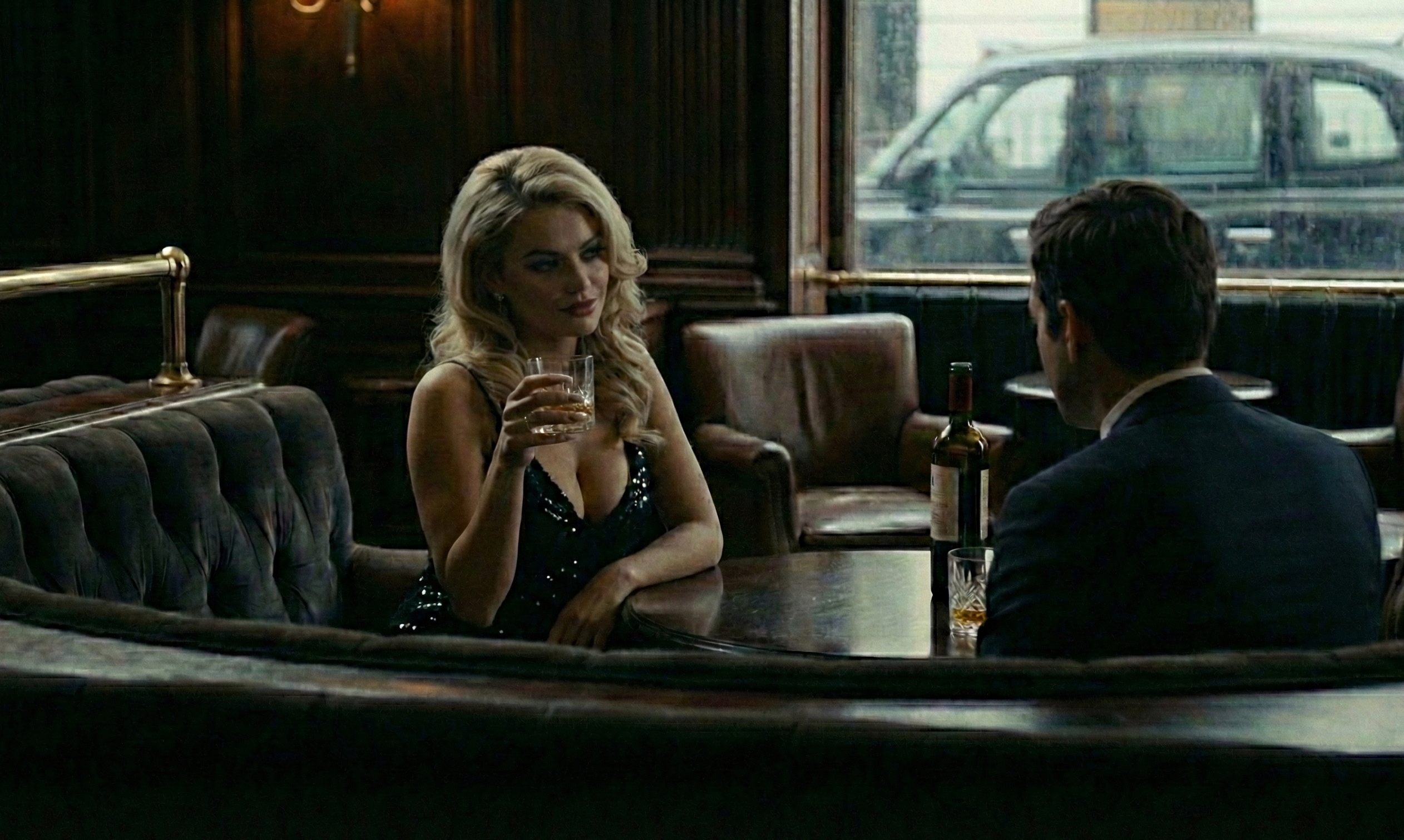
Luxury hospitality in Mayfair during the football season is not about watching the game itself. It is about framing the experience around it. Private dining rooms fill early on match days with guests arriving from private cars, discussing line-ups over champagne rather than pints. Screens are present, but never dominant. Attention moves fluidly between the match, the company, and the atmosphere.
Sky Sports, for all its public visibility, operates in this world too. Presenters, producers, and pundits often find themselves in Mayfair spaces before and after broadcasts, where the performance ends and the real personalities emerge. These environments demand a certain polish. Companionship here is not performative; it is complementary. The right presence enhances the evening without ever distracting from it.
This is where the concept of arm candy in Mayfair diverges sharply from stereotype. In these rooms, beauty alone is insufficient. What matters is composure, timing, and an instinctive understanding of social hierarchy. A luxury companion in Mayfair is not there to be noticed by everyone, but to be noticed by the right people.
The Subtle Power of Presence
In Mayfair, appearances are curated with almost academic precision. Who you arrive with matters. Who you leave with matters more. Football culture amplifies this dynamic, particularly around major fixtures, international tournaments, and high-profile derbies.
For executives and investors, being seen in Mayfair with the right companion is a form of signalling. It suggests stability, confidence, and control. It suggests that one belongs in these spaces. This is not about excess; it is about alignment. The companion becomes part of the overall presentation, as considered as the choice of restaurant or the club membership that facilitated the evening.
Luxury companions who operate at this level understand the rhythms of football culture. They know when to engage and when to recede, when to discuss the match and when to steer the conversation elsewhere. Their value lies not in spectacle, but in ease. In a world where every detail is scrutinised, ease is the ultimate luxury.
Why Mayfair Always Wins
There are many places in Britain where football wealth is generated. There are few where it is truly at home. Mayfair’s strength lies in its ability to absorb football culture into a broader narrative of luxury, discretion, and continuity. It does not chase trends or seasons. It simply provides the stage on which they unfold.
This is why, year after year, Mayfair remains the preferred setting for those who live at the highest levels of the game. Not because it is convenient, but because it is inevitable. Football may begin elsewhere, but when it seeks refinement, it comes here.
And this is only the beginning.
If Mayfair is where football’s wealth finds its polish, then Manchester is where its modern power is forged. The relationship between the two cities is not competitive but symbiotic. Manchester produces momentum, visibility, and scale. Mayfair provides refinement, privacy, and longevity. Those who understand British football at its highest level move fluidly between both, never mistaking one for the other, and never attempting to replace one with the other.
The transformation of football into a global industry has changed the way matches are experienced. Stadiums are no longer simply places to watch sport; they are controlled environments of access and hierarchy. The most coveted spaces are not seats, but thresholds. Tunnels, private corridors, hospitality floors, and secure lounges where movement is managed and presence is intentional. Nowhere is this more evident than at Manchester City, where the choreography of arrival and departure is as carefully considered as the tactics on the pitch.
The Tunnel as Theatre
To speak of the tunnel at Manchester City is to speak of a liminal space, one that exists between public spectacle and private power. It is where anticipation sharpens and status becomes visible. Executives pass players, broadcasters exchange nods with agents, and guests with the right credentials move through without being questioned. Access here is not accidental. It is earned, bought, or negotiated, and it signals inclusion in football’s inner circle.
For those accustomed to Mayfair, this environment feels familiar. The same codes apply. Conversation is brief but loaded. Appearances are deliberate. Companionship, when present, is understated and impeccably timed. The right companion understands that this is not a place for performance. It is a place for composure.
After the match, that composure travels. The crowd disperses, the noise fades, and attention shifts south once again. Trains, flights, and private cars carry football’s elite back toward London, where the conversation continues in spaces designed for it.
Mayfair as the Post-Match Capital
Post-match culture in Mayfair is its own discipline. It is not celebratory in the obvious sense. There are no scarves, no chants, no raised voices. Instead, there is analysis, negotiation, and reflection. Deals are floated, alliances tested, and narratives reframed. A match becomes a reference point rather than a climax.
Private members’ clubs fill quietly on these evenings. Tables are held without names being spoken. Staff move with practiced discretion, aware of who must not be seated near whom. Screens may show highlights in the background, but they are rarely the focus. The focus is always the room.
This is where football’s media ecosystem intersects with its financial one. Sky Sports figures appear not as presenters, but as participants. Their role shifts from broadcaster to intermediary, from analyst to connector. In Mayfair, the line between media and influence is deliberately blurred.
Luxury companions in these settings are not accessories. They are part of the social geometry. Their presence softens rooms, balances energy, and signals confidence. A well-chosen companion can change the temperature of an evening without ever drawing attention to herself.
The Quiet Geography of Wealth
While headlines focus on stadiums and transfer fees, the real map of football wealth is drawn elsewhere. It is drawn in postcodes like Hale Barns, Prestbury, and Wilmslow, where privacy is prized and visibility is controlled. These are places where neighbours do not ask questions and discretion is assumed.
Yet these areas, for all their comfort, are not designed for convergence. They are retreats. When football’s elite need neutral ground, when international investors arrive, or when negotiations require a setting that carries its own authority, they come to Mayfair.
This movement reinforces Mayfair’s position as the cultural capital of British football. It is where regional power is consolidated and presented to the world. The accent may change, the club allegiance may shift, but the rituals remain constant.
Companionship as Social Intelligence
At this level, companionship is not transactional; it is strategic. The women who move confidently through Mayfair’s football-adjacent spaces understand the nuance of these environments. They are socially fluent, emotionally intelligent, and acutely aware of context. They know when football is the topic of the evening and when it is merely the backdrop.
This is particularly important during high-profile fixtures, European nights, and international tournaments, when Mayfair fills with a transient elite. These moments compress time and heighten stakes. The right companion brings calm, continuity, and polish.
For visitors unfamiliar with British football culture, this guidance is invaluable. A companion becomes both presence and interpreter, smoothing transitions between spaces and conversations. In a world where missteps are remembered, this subtle support is not indulgent; it is prudent.
Why Discretion Outranks Visibility
Unlike other global cities, London’s football culture does not reward excess. Visibility is currency, but discretion is capital. Mayfair embodies this principle. It allows individuals to participate fully without being consumed by attention.
This is why so many football figures maintain residences elsewhere but return here repeatedly. Mayfair offers something rare: the ability to be central without being exposed. To engage without being scrutinised. To belong without performing.
As football continues to expand globally, this quality becomes more valuable, not less. The louder the sport becomes, the more those at its centre seek silence.
And so the rhythm continues. Matches are played. Results are debated. Wealth circulates. And Mayfair remains the constant, absorbing it all with effortless authority.
If Mayfair is where football’s wealth finds its polish, then Manchester is where its modern power is forged. The relationship between the two cities is not competitive but symbiotic. Manchester produces momentum, visibility, and scale. Mayfair provides refinement, privacy, and longevity. Those who understand British football at its highest level move fluidly between both, never mistaking one for the other, and never attempting to replace one with the other.
The transformation of football into a global industry has changed the way matches are experienced. Stadiums are no longer simply places to watch sport; they are controlled environments of access and hierarchy. The most coveted spaces are not seats, but thresholds. Tunnels, private corridors, hospitality floors, and secure lounges where movement is managed and presence is intentional. Nowhere is this more evident than at Manchester City, where the choreography of arrival and departure is as carefully considered as the tactics on the pitch.
The Tunnel as Theatre
To speak of the tunnel at Manchester City is to speak of a liminal space, one that exists between public spectacle and private power. It is where anticipation sharpens and status becomes visible. Executives pass players, broadcasters exchange nods with agents, and guests with the right credentials move through without being questioned. Access here is not accidental. It is earned, bought, or negotiated, and it signals inclusion in football’s inner circle.
For those accustomed to Mayfair, this environment feels familiar. The same codes apply. Conversation is brief but loaded. Appearances are deliberate. Companionship, when present, is understated and impeccably timed. The right companion understands that this is not a place for performance. It is a place for composure.
After the match, that composure travels. The crowd disperses, the noise fades, and attention shifts south once again. Trains, flights, and private cars carry football’s elite back toward London, where the conversation continues in spaces designed for it.
Mayfair as the Post-Match Capital
Post-match culture in Mayfair is its own discipline. It is not celebratory in the obvious sense. There are no scarves, no chants, no raised voices. Instead, there is analysis, negotiation, and reflection. Deals are floated, alliances tested, and narratives reframed. A match becomes a reference point rather than a climax.
Private members’ clubs fill quietly on these evenings. Tables are held without names being spoken. Staff move with practiced discretion, aware of who must not be seated near whom. Screens may show highlights in the background, but they are rarely the focus. The focus is always the room.
This is where football’s media ecosystem intersects with its financial one. Sky Sports figures appear not as presenters, but as participants. Their role shifts from broadcaster to intermediary, from analyst to connector. In Mayfair, the line between media and influence is deliberately blurred.
Luxury companions in these settings are not accessories. They are part of the social geometry. Their presence softens rooms, balances energy, and signals confidence. A well-chosen companion can change the temperature of an evening without ever drawing attention to herself.
The Quiet Geography of Wealth
While headlines focus on stadiums and transfer fees, the real map of football wealth is drawn elsewhere. It is drawn in postcodes like Hale Barns, Prestbury, and Wilmslow, where privacy is prized and visibility is controlled. These are places where neighbours do not ask questions and discretion is assumed.
Yet these areas, for all their comfort, are not designed for convergence. They are retreats. When football’s elite need neutral ground, when international investors arrive, or when negotiations require a setting that carries its own authority, they come to Mayfair.
This movement reinforces Mayfair’s position as the cultural capital of British football. It is where regional power is consolidated and presented to the world. The accent may change, the club allegiance may shift, but the rituals remain constant.
Companionship as Social Intelligence
At this level, companionship is not transactional; it is strategic. The women who move confidently through Mayfair’s football-adjacent spaces understand the nuance of these environments. They are socially fluent, emotionally intelligent, and acutely aware of context. They know when football is the topic of the evening and when it is merely the backdrop.
This is particularly important during high-profile fixtures, European nights, and international tournaments, when Mayfair fills with a transient elite. These moments compress time and heighten stakes. The right companion brings calm, continuity, and polish.
For visitors unfamiliar with British football culture, this guidance is invaluable. A companion becomes both presence and interpreter, smoothing transitions between spaces and conversations. In a world where missteps are remembered, this subtle support is not indulgent; it is prudent.
Why Discretion Outranks Visibility
Unlike other global cities, London’s football culture does not reward excess. Visibility is currency, but discretion is capital. Mayfair embodies this principle. It allows individuals to participate fully without being consumed by attention.
This is why so many football figures maintain residences elsewhere but return here repeatedly. Mayfair offers something rare: the ability to be central without being exposed. To engage without being scrutinised. To belong without performing.
As football continues to expand globally, this quality becomes more valuable, not less. The louder the sport becomes, the more those at its centre seek silence.
And so the rhythm continues. Matches are played. Results are debated. Wealth circulates. And Mayfair remains the constant, absorbing it all with effortless authority.
Match days, when viewed from Mayfair, follow a rhythm entirely separate from the noise of stadium concourses and public houses. They begin earlier, unfold more slowly, and rarely end where they began. The fixture itself is only one element in a longer sequence of moments that prioritise timing, discretion, and control. For those who operate at this level of football culture, the day is not structured around kick-off, but around flow.
Morning often begins quietly. Suites in Mayfair hotels remain undisturbed well past breakfast hours, with staff trained to read schedules without asking questions. Briefings take place over coffee rather than calls. Tailors may arrive to make last-minute adjustments, stylists to refine presentation. There is no rush. Precision replaces urgency.
By midday, Mayfair begins to subtly shift. Reservations are confirmed. Private dining rooms are prepared. Cars arrive and depart without ceremony. Guests converge without appearing to. Football is present in conversation, but never dominant. It exists as shared knowledge, not obsession.
Dining as a Strategic Pause
Pre-match dining in Mayfair is not about indulgence; it is about calibration. Menus are chosen for clarity rather than excess. Wine selections lean toward restraint. The goal is to sharpen the mind, not dull it. Conversation flows easily, often touching on the match only as an entry point into broader discussions about business, travel, or future plans.
This is where Mayfair’s culinary landscape proves its value. Restaurants here understand the importance of pace. Courses arrive when needed, not when ready. Staff know when to linger and when to disappear. The environment supports conversation rather than competing with it.
Luxury companions at these tables are not passive observers. They are attentive, socially fluent, and capable of steering conversation when needed. Their presence adds balance, preventing discussions from becoming insular or overly transactional. In these moments, companionship is as much about emotional intelligence as aesthetics.
The Journey Matters
Unlike the public, whose match-day experience begins at the turnstile, the elite journey begins long before. Travel to the stadium is curated. Helicopters, private trains, or chauffeured vehicles provide controlled environments where conversations continue uninterrupted. The transition from Mayfair to Manchester, or to one of London’s major stadiums, feels seamless rather than abrupt.
Upon arrival, access points are carefully chosen. Hospitality entrances, private lifts, and secure corridors ensure that movement remains smooth. The crowd is present, but distant. Noise becomes atmospheric rather than overwhelming.
For companions, this transition is critical. It is where adaptability is tested. The tone shifts subtly from social to observational. Awareness sharpens. A well-chosen companion reads this instinctively, adjusting her presence to suit the environment.
During the Match
In luxury hospitality suites, the match unfolds as part of a broader social tableau. Attention moves fluidly between the pitch and the room. Reactions are measured. Applause is polite. The drama is appreciated, but never indulged.
This detachment is not indifference. It is perspective. Those in these spaces understand that football’s real consequences are rarely immediate. They are felt in boardrooms, transfer windows, and broadcast negotiations long after the final whistle.
Companionship here is quiet. Conversations are brief, glances exchanged, notes taken mentally rather than physically. The focus is outward, attentive, controlled.
The Return to Mayfair
If Mayfair sets the tone for the day, it also provides its resolution. After the match, whether the result is favourable or not, attention turns back to London. The return journey is often where clarity emerges. Conversations that were paused resume with renewed focus.
Back in Mayfair, the evening unfolds according to its own logic. Some gather in private dining rooms for late meals. Others retreat to clubs where the atmosphere is deliberately insulated from the outside world. Highlights may play silently on screens, but the room’s energy is shaped by those present, not by the result.
This is where football culture dissolves back into lifestyle. The sport recedes, leaving behind relationships, decisions, and impressions that will shape future encounters.
Peak Seasons and Heightened Stakes
During major tournaments and decisive fixtures, Mayfair’s role becomes even more pronounced. International visitors arrive in waves, bringing with them different expectations and cultural norms. Mayfair absorbs them all, offering a consistent framework within which differences can coexist.
Discretion becomes paramount. Movement is planned. Appearances are controlled. Companionship is selected with even greater care. In these periods, the wrong presence can disrupt an evening; the right one can elevate it effortlessly.
Luxury companions who thrive during these times are those who understand pressure. They remain composed, adaptable, and attentive, providing stability amid heightened emotion.
Why This Model Endures
The reason Mayfair’s football culture endures is simple: it works. It offers a sustainable way to engage with one of the world’s most emotional sports without being consumed by it. It allows participants to enjoy the spectacle while retaining control over their time, image, and energy.
This balance is increasingly rare, and therefore increasingly valuable. As football continues to globalise and intensify, the need for spaces that provide calm, authority, and discretion will only grow.
Mayfair, as ever, stands ready.
What becomes clear, when observing British football from the vantage point of Mayfair, is that the sport’s true centre of gravity has never been fixed to a pitch. It has always existed slightly to the side of the spectacle, in rooms where decisions are made quietly, relationships are nurtured patiently, and influence is exercised without announcement. Mayfair does not compete with football’s theatres; it contextualises them. It gives the game a place to land.
Over time, this has created a relationship that feels less transactional and more architectural. Football wealth arrives in Mayfair not to be celebrated, but to be structured. The district offers an environment in which success can be translated into continuity. For players nearing the end of their careers, executives navigating shifting ownership models, and investors seeking stability in an emotional industry, Mayfair provides a language they already understand.
This is why its appeal transcends clubs, leagues, and even eras. Managers come and go. Broadcast deals expand and contract. Yet the rituals of Mayfair remain consistent. The same tables are set. The same entrances are used. The same unspoken rules apply. Football, for all its volatility, finds reassurance in this constancy.
The Sustainable Role of Companionship
Within this ecosystem, companionship has evolved into something nuanced and enduring. The caricature of excess does not survive long in Mayfair. What endures is discernment. The companions who become part of this world are those who understand its tempo and respect its boundaries. Their value lies not in novelty, but in reliability.
They know that football culture, at this level, is cyclical. Seasons repeat. Fixtures recur. Faces become familiar. Relationships deepen over years, not nights. A companion who can navigate this continuity without overstepping becomes trusted, and trust is the rarest currency in Mayfair.
This is particularly evident during quieter periods, when the calendar loosens and attention turns inward. Even then, Mayfair remains active. Dinners continue. Conversations unfold. Planning replaces reaction. Companionship during these times is less about occasion and more about presence. The ability to share space comfortably, without urgency or expectation, is prized above all else.
Beyond the Headlines
One of Mayfair’s greatest strengths is its resistance to narrative. It does not chase headlines or amplify moments. It absorbs them and moves on. Football’s triumphs and scandals alike pass through its rooms, discussed briefly, contextualised, and then set aside.
This detachment is not cynicism. It is perspective. Those who spend enough time here understand that football is both enormously important and ultimately transient. The real work happens in maintaining equilibrium amid constant change.
For international visitors, this perspective is revelatory. Many arrive expecting spectacle and leave appreciating restraint. They come to understand that British football’s most powerful expressions are often its quietest ones.
The Enduring Axis
As the global football economy continues to expand, the pressures it generates will only increase. Media scrutiny intensifies. Financial stakes rise. Emotional investment deepens. In response, those at the centre of the game will seek environments that offer relief from this intensity without diminishing their engagement.
Mayfair answers this need better than anywhere else. It offers proximity without exposure, involvement without overwhelm. It allows football to be integrated into a broader life rather than allowed to dominate it.
This is why, regardless of how the sport evolves, Mayfair’s role remains secure. It is not dependent on trends or cycles. It is built on principles that predate football and will outlast it.
A Natural Conclusion
To experience British football through Mayfair is to see the game not as an isolated passion, but as part of a wider tapestry of power, culture, and refinement. It is to understand that the most significant moments often happen away from the cameras, in spaces designed for continuity rather than applause.
For those who value discretion, intelligence, and longevity, Mayfair offers a model that feels both timeless and perfectly suited to the modern game. Football passes through it, enriched and refined, before moving on. Mayfair remains, as it always has, composed and quietly influential.
And that, ultimately, is why it sits at the centre of British football’s luxury culture. Not loudly. Not visibly. But unmistakably.
For those who choose to experience this world fully, the difference is never in access alone, but in how seamlessly it is navigates. In Mayfair, where football, finance, and private life intersect, the right companionship becomes part of the architecture of the experience rather than an addition to it. Blackbook UK exists precisely within this space, offering refined, discreet luxury companions who understand the cadence of Mayfair, the etiquette of elite football hospitality, and the importance of presence over performance. Whether accompanying a guest to private dining, post-match engagements, or extended stays centred around British football culture, the service is designed to integrate effortlessly into an already elevated lifestyle. In a world where discretion, intelligence, and alignment matter more than spectacle, true luxury lies in choosing companionship that belongs.